
Rory's Community Impact and Initiatives
Rory's mission centers on nourishing people and neighborhoods while building measurable social value. Core values are food quality, equitable access, and accountable partnerships. The motto "Eat Good. Do Good." drives every program by linking customer choices to community outcomes through transparent donations, local sourcing, and education. Actions are designed so paying customers help expand reach to school children, seniors, and families in need.
Mission, Values, and How the Slogan Drives Action
The mission commits to three measurable outcomes: increase nutritious meal access, strengthen local economies, and reduce food waste. Values include respect for suppliers, dignity for beneficiaries, and rigorous impact measurement. "Eat Good. Do Good." is operationalized through a fixed charity allocation per sale, subsidized meal offerings for low-income patrons, and in-store fundraising campaigns that match customer contributions. Since the slogan launch in 2017, Rory's reports year-over-year growth in community reach while keeping menu standards high.
Partnerships, Hunger Relief, and Local Sourcing
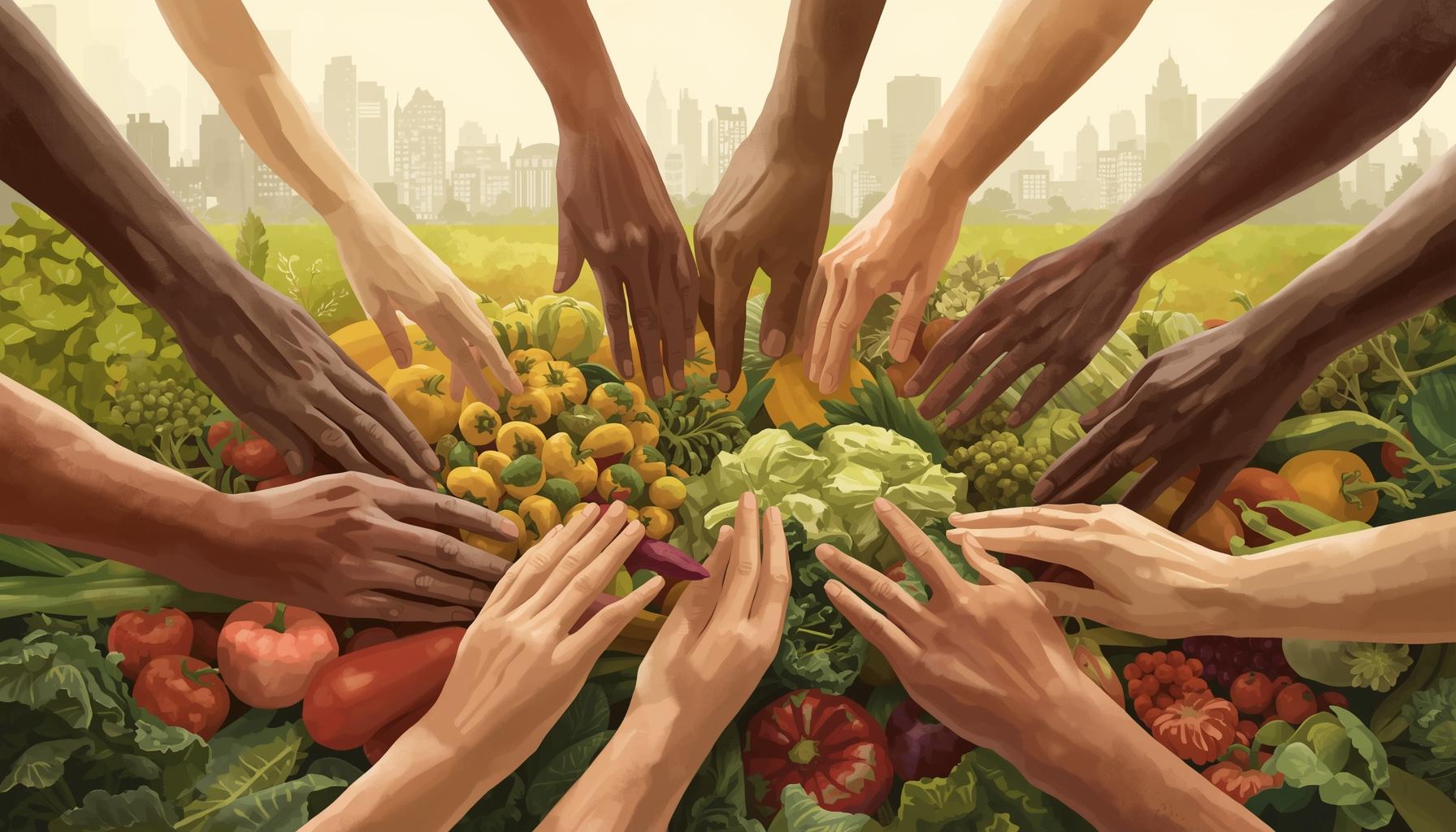
Collaborations with national and municipal nonprofit networks form the backbone of distribution and education programs. National partner channels handle logistics and large-scale distribution, while local partners manage last-mile delivery and school programs. School collaborations focus on curriculum-aligned nutrition sessions and subsidized lunches. Sourcing prioritizes regional farms and small producers within a 250-mile radius, creating predictable demand for producers and reducing transport emissions.
Below are multi-year impact and purchasing metrics tied to key partnerships and procurement streams. The data reflects calendar year 2024 activity and multi-year partnership start dates.
| Partner or Supplier Channel | Partnership Start | Meals Distributed 2024 | Estimated Beneficiaries | Local Producers Engaged | Annual Local Procurement (USD) |
|---|---|---|---|---|---|
| Feeding America network | 2018 | 500,000 | 120,000 | 45 | 1,200,000 |
| Food Bank For New York City | 2019 | 120,000 | 30,000 | 12 | 250,000 |
| Seattle Food Lifeline | 2020 | 80,000 | 20,000 | 8 | 180,000 |
| Chicago Food Depository | 2019 | 95,000 | 24,000 | 10 | 220,000 |
| Direct farm suppliers (regional) | 2017 | N/A (procurement figure) | N/A | 75 (total producers) | 2,100,000 |
Rory's distributes donated meals through partner networks and operates localized food distribution events. Subsidized meal programs use a sliding scale tied to verified income criteria, and accessible ordering channels include online vouchers and community pickup points. Procurement commitments are written into supplier contracts, guaranteeing multi-year purchase volumes to support small farmers' cash flow and planning.
Volunteers, Education, Sustainability, Grants, and Accountability
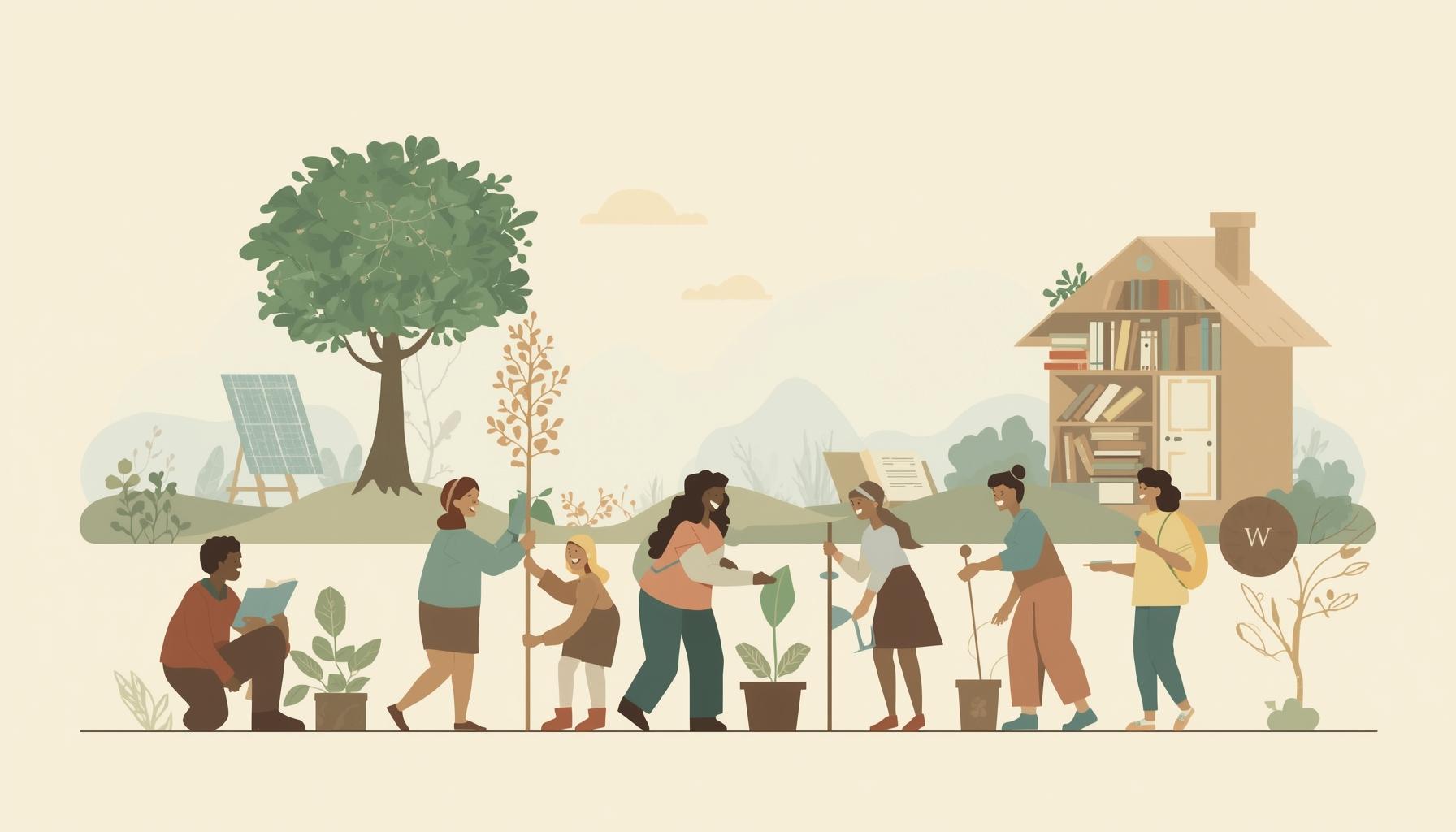
Volunteer engagement is structured and recurring, with employee volunteer days scheduled quarterly and community service shifts open to customers. Volunteer training covers safe food handling, trauma-informed service, and cultural competency. Recognition includes an annual awards ceremony and impact certificates suitable for volunteer resumes.
In-store education uses hands-on cooking demonstrations emphasizing simple, nutritious recipes that align with dietary guidelines from the U.S. Department of Agriculture. School programs provide teacher-ready modules for grades 3 through 8, built in collaboration with district nutritionists, and include tasting events and take-home materials.
Waste reduction combines preventive purchasing, donation of surplus via partner apps, and rescued-food distribution. On-site composting is implemented at flagship locations, diverting organics from landfill, while energy audits have led to LED conversions and optimized HVAC scheduling, reducing energy consumption by an average of 18 percent across audited stores.
Community grants and scholarship programs provide microgrants to neighborhood groups and culinary scholarships to low-income students pursuing food service careers. The application process is open twice annually, requires organizational budgets and measurable objectives, and prioritizes projects with matching local investment. Examples of funded projects include a school garden program launched in Detroit in 2022 that increased fruit and vegetable consumption among participating students by 34 percent over a school year, and a neighborhood meal hub in Phoenix established in 2021 that stabilized weekly hot meals for 1,200 households.
Key performance metrics are tracked monthly and reported annually to ensure transparency. Important indicators include meals served, dollars procured locally, percent diversion from landfill, volunteer hours, and grant outcomes measured by participant follow-up surveys. Annual impact reports publish audited figures, case narratives from program beneficiaries, and third-party evaluations for major initiatives.
Customer engagement is built into operations through point-of-sale donation options, periodic in-store campaigns where purchases trigger matched contributions from the company, and loyalty program features that allow members to convert reward points into community donations. Fundraising campaigns are publicized with clear targets and progress updates, and matching mechanics are limited by fiscal quarter to ensure accountability.
Stories from neighborhoods document real outcomes. Testimonials from community partners cite improved meal frequency for seniors after rollouts of subsidized meal cards, and long-term case examples show small producers scaling operations after securing multi-year supply agreements with Rory's. Measurement and narrative combine to demonstrate both immediate relief and structural economic effects.
Future plans focus on scaling measurable impact across additional markets, piloting refrigerated rescue hubs in underserved urban corridors, and expanding digital nutrition education tools for schools. Innovation areas under consideration include predictive ordering algorithms to minimize waste, expanded procurement commitments to certified minority-owned farms, and outcome-linked grant funding that accelerates community-led solutions. These steps aim to increase efficiency, deepen local economic effects, and maintain transparent reporting that stakeholders can audit and verify.