
Plant-Based Protein Sources for Beginners
Switching to plant-based eating can meet protein needs through foods like lentils, chickpeas, tofu, tempeh, and quinoa, which offer essential amino acids for muscle repair and enzyme function. Most adults require about 0.8 grams of protein per kilogram of body weight daily, so a person weighing 70 kilograms needs roughly 56 grams. While animal protein is considered complete, combining different plant sources provides similar results over a typical day. Some plant foods are lower in certain amino acids, but a varied diet covers the gaps without special planning. Protein-rich plant foods fit easily into daily meals with a few practical steps:
- Check the protein content of staple foods such as beans, lentils, and tofu before planning meals.
- Combine grains and legumes within the day to ensure a full range of amino acids.
- Include protein-rich snacks like nuts or roasted chickpeas between meals.
- Track daily intake for the first few weeks to spot any shortfall early.
Most problems come from relying on a narrow range of foods or underestimating protein in smaller portions. Missing variety or skipping protein sources altogether slows progress and leaves people low on energy.
How much protein do I really need
Most healthy adults need about 0.8 grams of protein per kilogram of body weight each day. Athletes and people with intense routines may require slightly more to support muscle repair. Typical diets often exceed these numbers, even on strictly plant sources.
A sedentary person weighing 70 kilograms would need about 56 grams daily. Someone training for endurance events might aim for a higher range, closer to 1.2 grams per kilogram. Plant foods like lentils, tofu, and quinoa easily cover these needs when included regularly.
Belief that plant proteins are incomplete or insufficient persists, but balanced meals with varied sources provide all essential amino acids. Overconsumption of protein offers little benefit for most beginners, and focusing on variety is more effective for overall health.
Why some plant proteins work better
Some plant proteins are more effective because they contain all essential amino acids and are easier for the body to digest. Soybeans and quinoa are two examples that provide a complete amino acid profile similar to animal proteins. Beans, rice, and nuts often lack one or more essential amino acids, so they work better when combined.
Quinoa contains all nine essential amino acids in one grain, while lentils are low in methionine. When lentils are eaten with rice, the amino acid gaps are filled. Soy products like tofu and tempeh also offer high digestibility, which means the body can use their protein more efficiently than from some other plants.
Relying on a single plant protein source can lead to gaps in nutrition. Combining different grains and legumes in meals helps ensure a more balanced intake of essential amino acids.
What are the easiest swaps to make
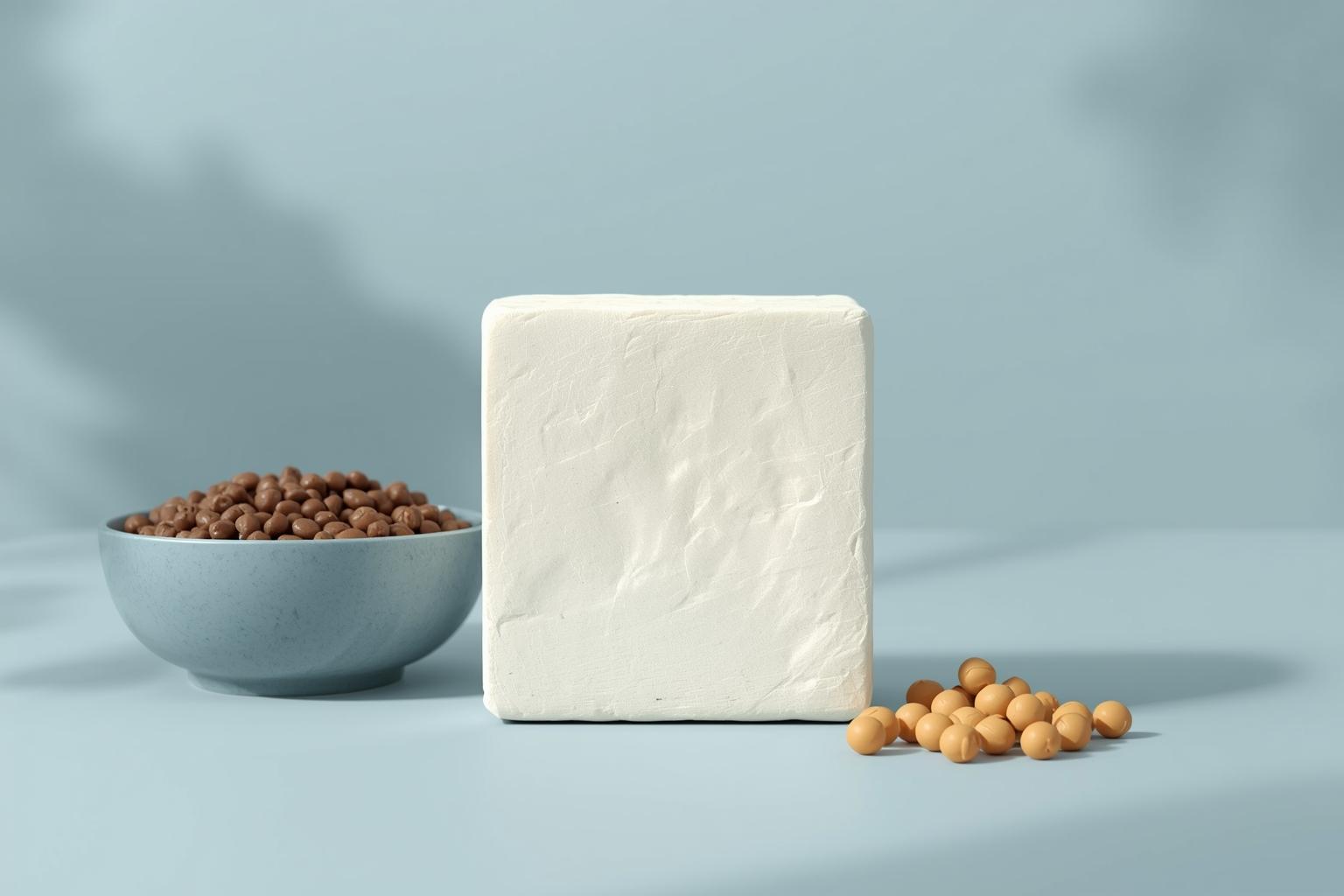
Switching from meat to beans in a chili offers a nearly seamless transition, with familiar flavors and textures that comfort those new to plant protein. Lentils in place of ground beef in tacos hold seasoning well and deliver a hearty bite. These swaps keep preparation routines simple while reducing reliance on animal products.
Replacing chicken with lentils or beans
Lentils and beans hold their shape well in simmered dishes, making them a practical replacement for chicken where a hearty protein texture is needed. Their earthier taste shifts the flavor profile, but they absorb spices and sauces effectively, which can minimize the difference in familiar recipes.
| Dish Type | Protein Swap | Texture Shift | Taste Change | Cooking Impact |
|---|---|---|---|---|
| Curries | Brown lentils | Firm, holds shape but softer than chicken | Earthy, absorbs spices well | Shorter simmering time prevents mushiness |
| Stir fry | Chickpeas | Dense and slightly creamy, not chewy | Mildly nutty, less umami than chicken | Add at the end to avoid breaking apart |
| Tacos | Black beans | Soft with a slight bite | Rich, slightly sweet, less savory | Works cold or warm, needs more seasoning |
| Salads | White beans | Creamy, not stringy like chicken breast | Neutral, blends with vinaigrettes | Hold up well but soak up dressing |
| Sandwich fillings | Red lentils (mashed) | Spreadable, no chunks | Subtle, takes on added flavors | Requires binding agent for structure |
Overcooking lentils or beans leads to a mushy result that loses structure in the dish. Adjust spice levels and add firmer vegetables to retain complexity and texture.
Using tofu instead of eggs or cheese
Tofu can take on both savory and mild flavors, which makes it a flexible protein swap in recipes that usually rely on eggs or cheese. Quick marinating or seasoning transforms plain tofu into a centerpiece for breakfast scrambles or sandwich fillings without much extra effort.
- Absorbs spices and sauces more readily than eggs or most cheeses
- Firm tofu holds its shape when cubed, sliced, or crumbled for stir fries, scrambles, or salads
- Lasts longer in the refrigerator before cooking compared to fresh eggs or many soft cheeses
- Neutral taste lets it blend into both sweet and salty dishes
- Texture may seem spongy or rubbery if undercooked or not pressed
- Lacks the natural fat found in cheese, which can affect richness in baked dishes
- Some nonstick pans or seasoned cast iron are needed for browning without sticking
Silken tofu can be blended to mimic the creamy texture of ricotta in pasta or desserts. Pressing extra water out before cooking improves the tofu's ability to crisp and take on seasonings.
Replacing animal protein in familiar dishes helps build confidence with plant sources. Starting with similar textures and flavors makes the change manageable for anyone who is new to this way of eating.
What if I don’t like tofu or beans
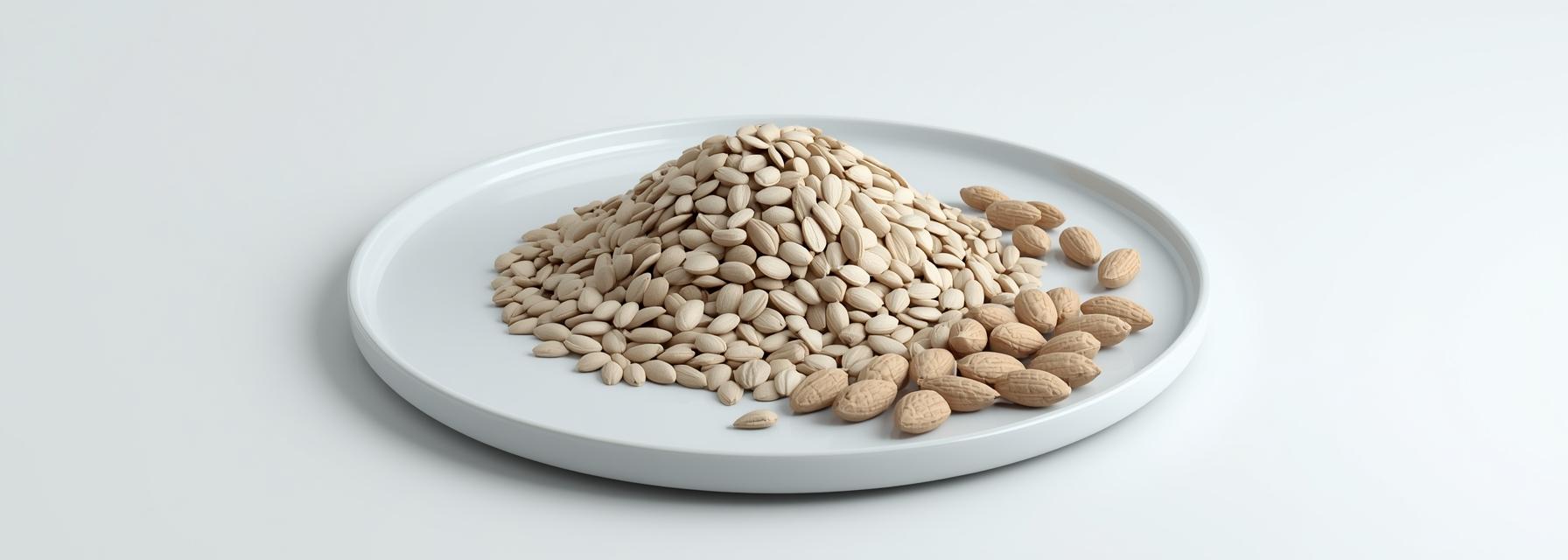
Plenty of plant proteins exist beyond tofu and beans. Foods like lentils, peas, nuts, seeds, quinoa, and whole grains each offer protein without relying on soy or legumes. These choices suit many taste preferences and dietary needs.
Quinoa cooks quickly and mixes into salads or soups, while pumpkin seeds add crunch and protein to breakfast bowls. Peanut butter and almond butter both spread easily on bread or fruit, delivering protein with familiar flavors. Edamame, chickpea pasta, and seitan are other options that avoid the typical tofu texture.
Rotating among these options prevents boredom and supports a balanced intake. Many people discover new favorites by adding small amounts to familiar recipes rather than making drastic changes. Consistent variety also reduces the risk of missing key nutrients.